
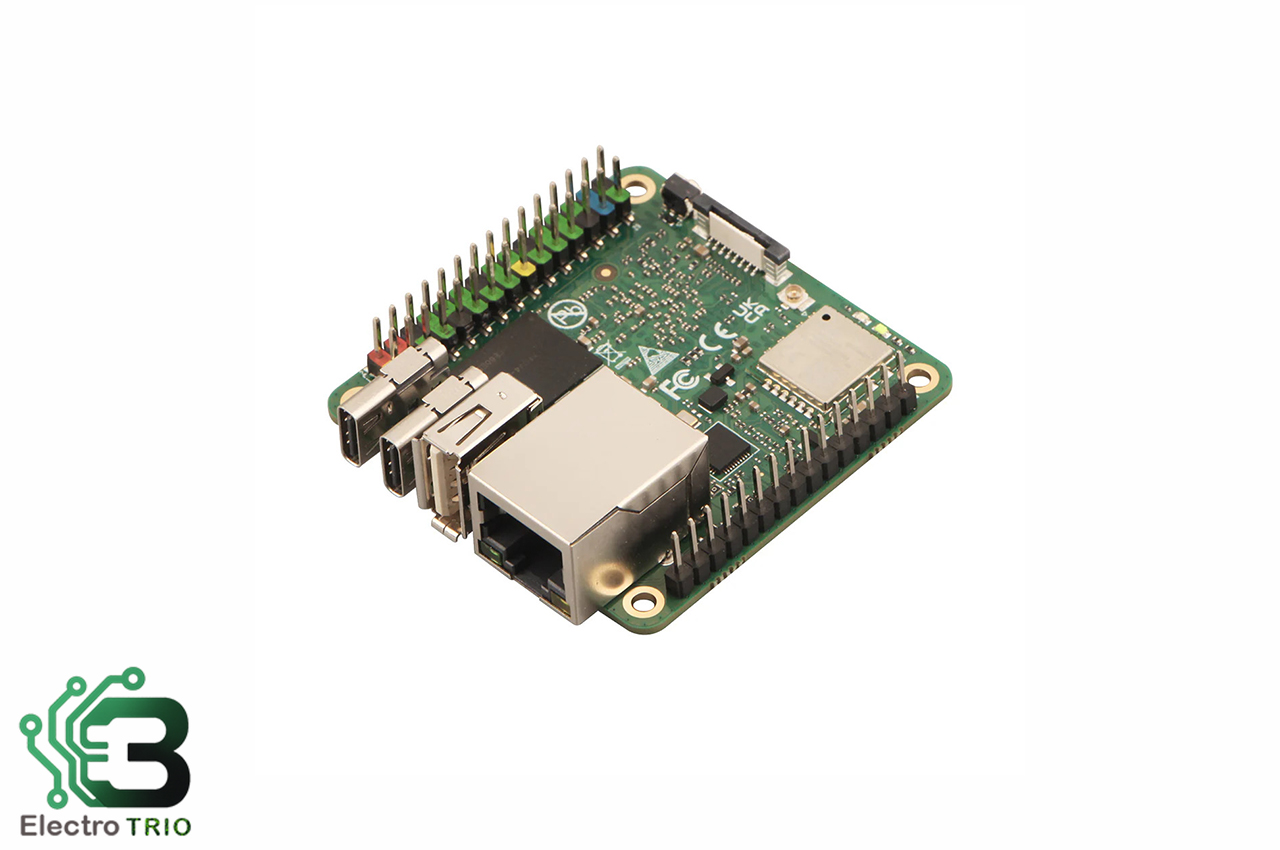
Radxa has introduced the Cubie A7S, a pocket-sized single-board computer (SBC) that targets edge AI, vision processing, and embedded multimedia systems. The board measures just 51 × 51 mm, yet it integrates modern compute, AI acceleration, and high-speed I/O that many larger SBCs still lack. Radxa clearly aims this design at developers who need local AI inference without external accelerators.
We previously covered the Cubie A7A SBC, which is also based on the Allwinner A733 SoC. We have also reviewed several other Radxa boards, including the Radxa Dragon Q6A and the Radxa Orion O6N. Feel free to check those articles if you want to explore more Radxa SBCs and related products.
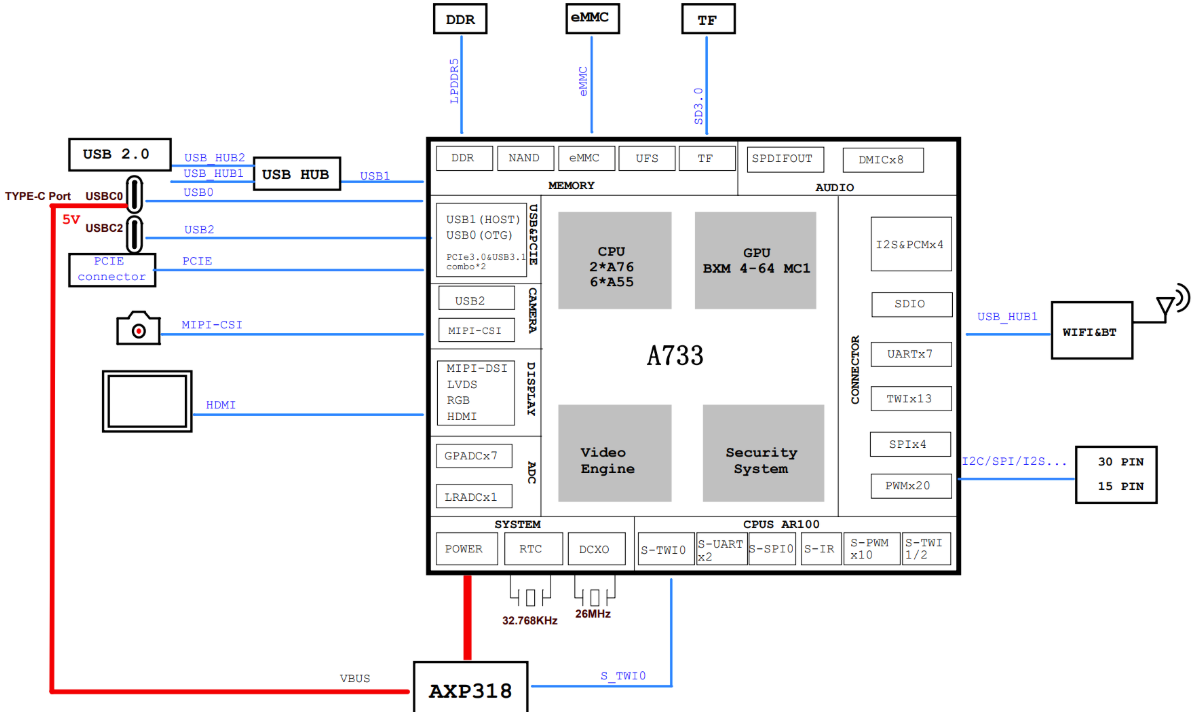
Cubie A7S block diagram
At the core of this edge AI SBC sits the Allwinner A733 SoC, which combines high-performance Arm Cortex-A76 cores with power-efficient Cortex-A55 cores. This heterogeneous design allows developers to balance compute load and power draw instead of wasting cycles on always-on big cores. Radxa pairs the SoC with LPDDR5 memory and PCIe NVMe expansion, which immediately separates the Cubie A7S from entry-level boards that still rely on slow DDR4 and microSD-only storage.
The onboard NPU delivers up to 3 TOPS at INT8, which makes on-device inference practical for vision, HMI, and smart terminal use cases. Developers can run object detection, face recognition, or industrial inspection pipelines locally, without cloud latency or recurring costs. Multimedia support strengthens that position further, as the board handles 4K video encode and decode while driving a 4K display over USB-C DisplayPort.
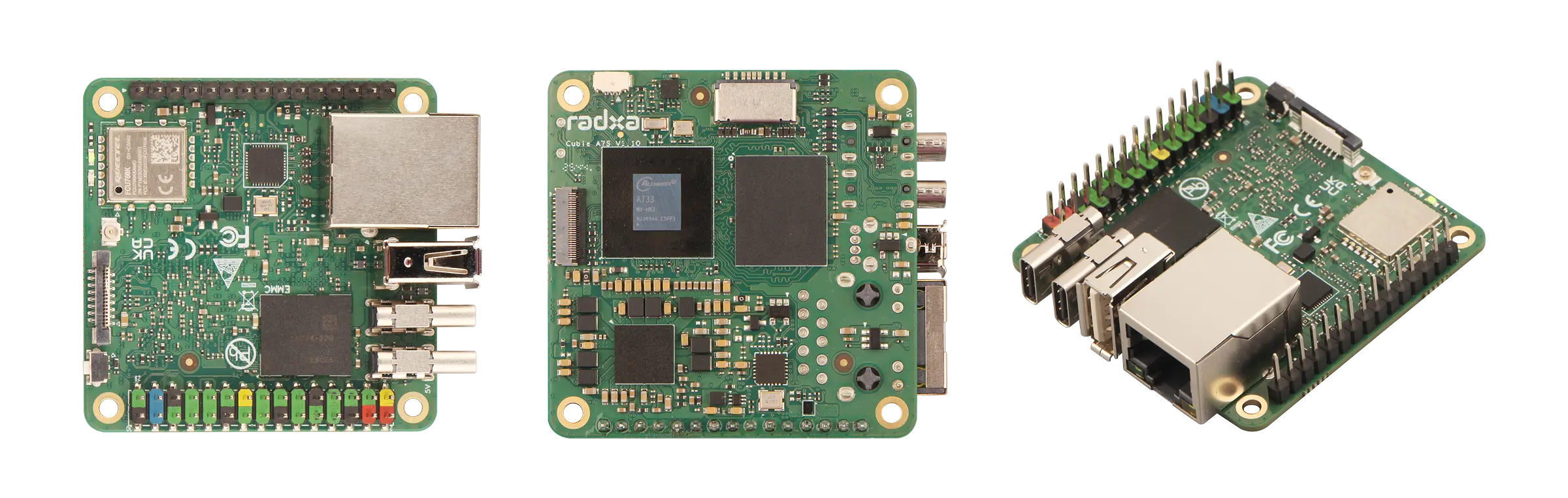
Radxa Cubie A7S edge AI SBC Front and Back
Radxa Cubie A7S Specifications:
It consists of the Allwinner A733 based octa-core SoC, which is a combination of two Cortex-A76 cores at 2.0 GHz with six Cortex-A55 cores at 1.8 GHz. In AI workloads, it has a 3 TOPS INT8 NPU which supports various precisions, such as INT4, INT8, INT16, FP16, and BF16, and allows effective inference on the device. The graphics output is based on the Imagination PowerVR BXM-4-64 MC1 graphics processor with the capability of rendering the UI and accelerating computing with OpenGL ES, Vulkan 1.3, and OpenCL 3.0.
Memory supports up to 16GB LPDDR5 which can cope with AI and multimedia applications that are very bandwidth-intensive. Storage is optional onboard eMMC up to 256 GB, with a microSD card slot, and a PCIe 3.0 x1 shelf which is available as an FPC connector to NVMe SSD expansion. This combination gives the developers options on whether to use a low-cost boot media or a high-performance storage, according to the application requirements.
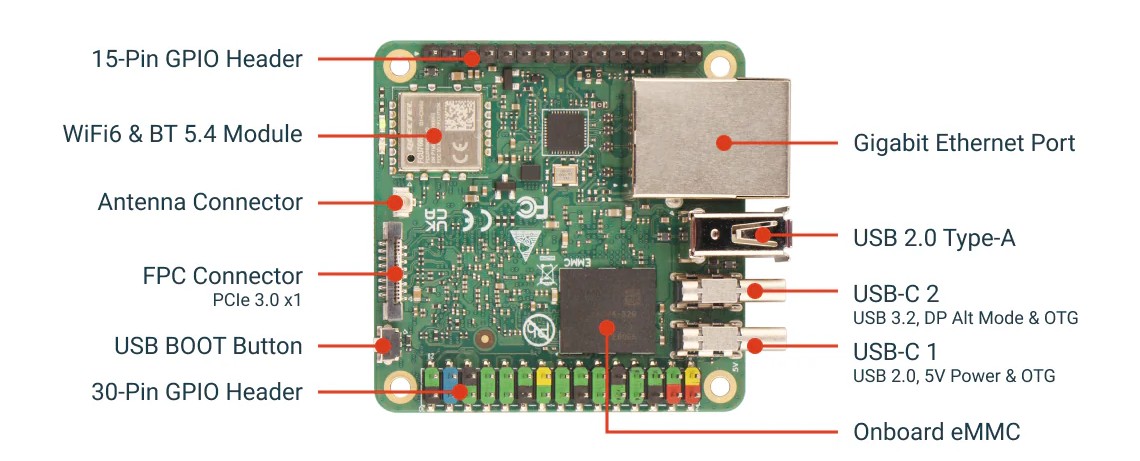
Radxa Cubie A7S Front Spec.
For I/O and connectivity, the board provides a USB-C port with DisplayPort Alt Mode supporting up to 4Kp60 output, along with a 4-lane MIPI CSI interface aimed at AI vision use cases. Networking includes Gigabit Ethernet, onboard Wi-Fi 6, and Bluetooth 5.4. Additional expansion comes through 15-pin and 30-pin GPIO headers that expose UART, I2C, I2S, PWM, and GPIO signals, all powered from a 5 V USB-C input within a compact 51 × 51 mm form factor.
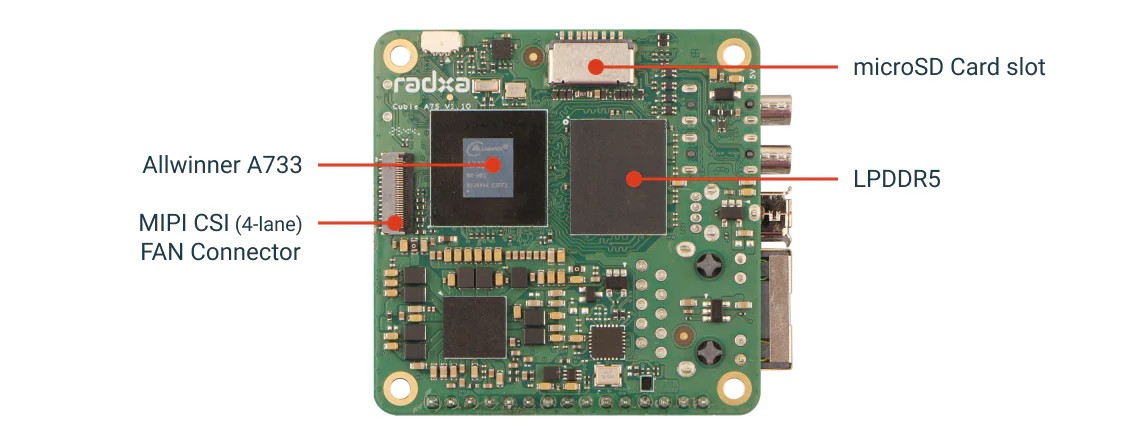
Radxa Cubie A7S Bottom Spec.
The Cubie A7S supports Linux and Android, and documentation is official and is hosted on its wiki. The common AI engines like TensorFlow, PyTorch, ONNX, Caffe, TFLite, and Darknet can be deployed by developers without struggling with esoteric toolchains. The site also opens up low-level resources to kernel work, U-Boot work to do, and Radxa OS builds, which is important when you intend to ship a product as opposed to running demos.
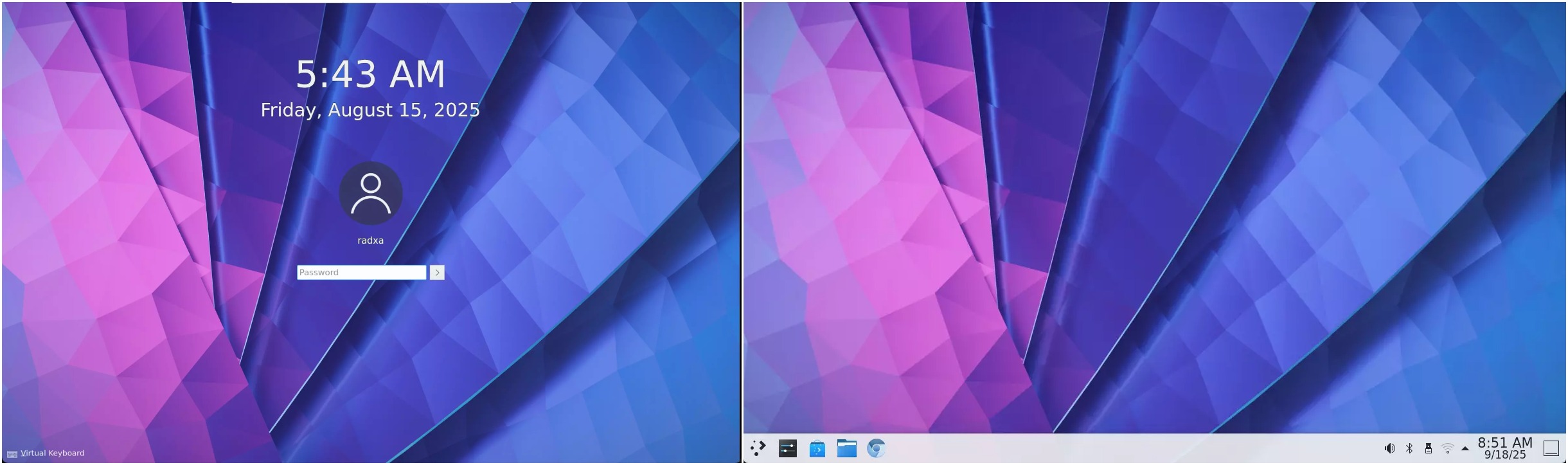
Radxa OS (usename: radxa and password: raxda)
According to Radxa, the Cubie A7S starts at around $25 for the 4 GB RAM variant, which aggressively undercuts many competing edge AI SBCs with similar NPU performance. Availability varies by distributor, and some listings show temporary out-of-stock status due to demand. You can check current pricing and stock through Radxa’s official store and authorized resellers before committing to volume orders.
 Niladri Chowdhury